
What Are Stem Cells?
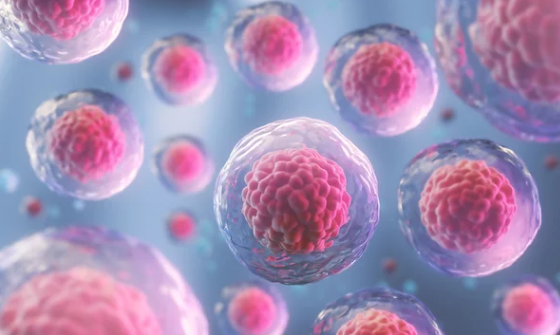
Unlike many other cells, stem cells can divide and create additional cells while also maintaining their original characteristics. This ability has made them an important area of scientific research and ongoing study.
Why Are Stem Cells Important?
Scientists have studied stem cells for many years because they play an important role in growth, development, and the formation of tissues throughout the body. During early development, stem cells help create the many different cell types that make up organs, muscles, nerves, blood, and other structures.
When people ask, "what are stem cells," they are usually referring to a category of cells that can develop into more specialized cells under certain biological conditions. Researchers continue to study stem cells to better understand how they function, how they communicate with surrounding cells, and how they contribute to normal biological processes.
Today, stem cell research remains one of the most active areas of scientific investigation, with universities, laboratories, and research organizations around the world studying these remarkable cells.
Types of Stem Cells
Embryonic stem cells are derived from early-stage embryos and are known for their ability to develop into many different cell types. Adult stem cells are found in various tissues throughout the body and typically have a more specialized role. Researchers have also developed induced pluripotent stem cells, often called iPSCs, which are adult cells that have been reprogrammed to behave more like embryonic stem cells.
Each type of stem cell has unique characteristics, advantages, and limitations. Scientists continue to study these different cell populations to better understand their biological properties and potential applications in research settings.
Understanding the differences between these categories helps answer the common question of what are stem cells and why they remain such an important area of scientific investigation.
Interested in Learning More?
How Do Stem Cells Work?
Stem cells are often described as unspecialized cells because they have not yet developed into a specific type of tissue cell. Under certain biological conditions, stem cells may divide, create additional stem cells, or develop into more specialized cells.
Researchers also study how stem cells communicate through complex signaling processes. Cells throughout the body constantly exchange information through proteins, chemical messengers, and other biological signals. Understanding these communication pathways is a major focus of modern stem cell research.
Although scientists continue to learn more every year, many aspects of stem cell biology remain active areas of investigation. This ongoing research helps expand our understanding of what are stem cells and how they contribute to normal biological functions.
Stem Cell Research Today
Research institutions around the world study stem cells in laboratory settings to learn more about cell differentiation, biological signaling, and the mechanisms that influence how cells behave. Advances in technology have also allowed researchers to develop new tools for observing and analyzing stem cells in greater detail.
For many people researching what are stem cells, it is important to understand that scientific research and clinical decision-making are separate topics. Researchers focus on studying biological processes, while healthcare decisions should always be made between patients and qualified medical professionals.
As research continues to evolve, stem cells remain one of the most fascinating areas of modern biological science, attracting attention from universities, medical researchers, and scientific organizations worldwide.
Frequently Asked Questions About Stem Cells
Stem cells are unique cells that can divide and produce additional cells while maintaining their original characteristics. Researchers study stem cells because of their role in growth, development, and normal biological processes.
Stem cells are important because they help scientists better understand cellular biology, tissue development, and how different cells communicate within the body.
Common categories include embryonic stem cells, adult stem cells, and induced pluripotent stem cells (iPSCs). Each type has unique biological characteristics that researchers continue to study.
Stem cells can divide to create additional cells and, under certain biological conditions, may develop into more specialized cell types. Researchers continue studying the complex signaling processes involved.
Yes. Stem cell research remains an active area of scientific investigation worldwide, with universities and research organizations continuing to explore their biological properties and functions.